
Designing for Idea Improvement: Reflections from the June 2026 Knowledge Building Design Studio
How can we create learning environments where ideas continually improve rather than simply accumulate?
This question guided the latest iteration of our Knowledge Building Design Studio (KBDS), where participants explored sustainability challenges through nature immersion, collaborative inquiry, generative AI, and expert consultation.
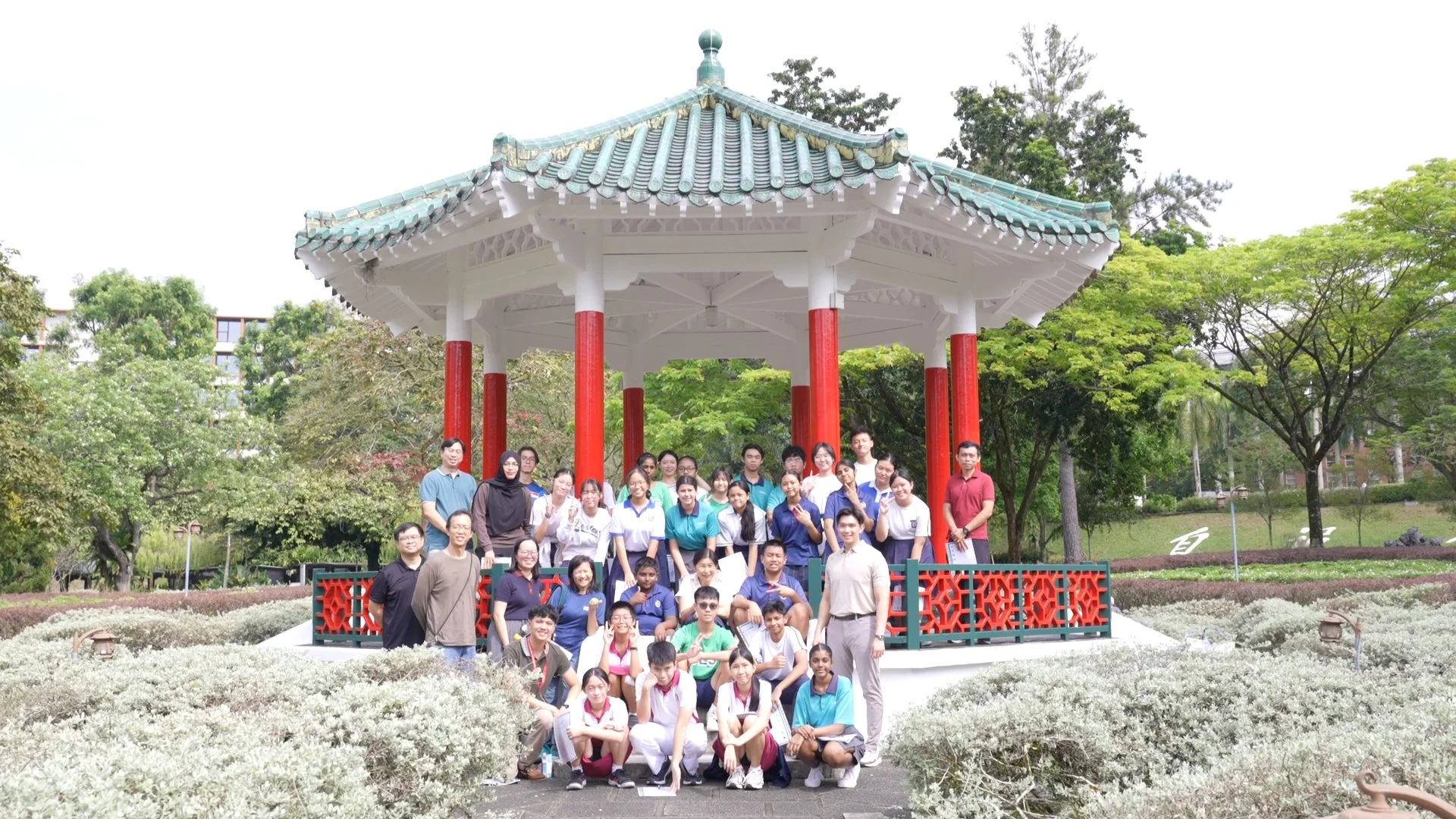
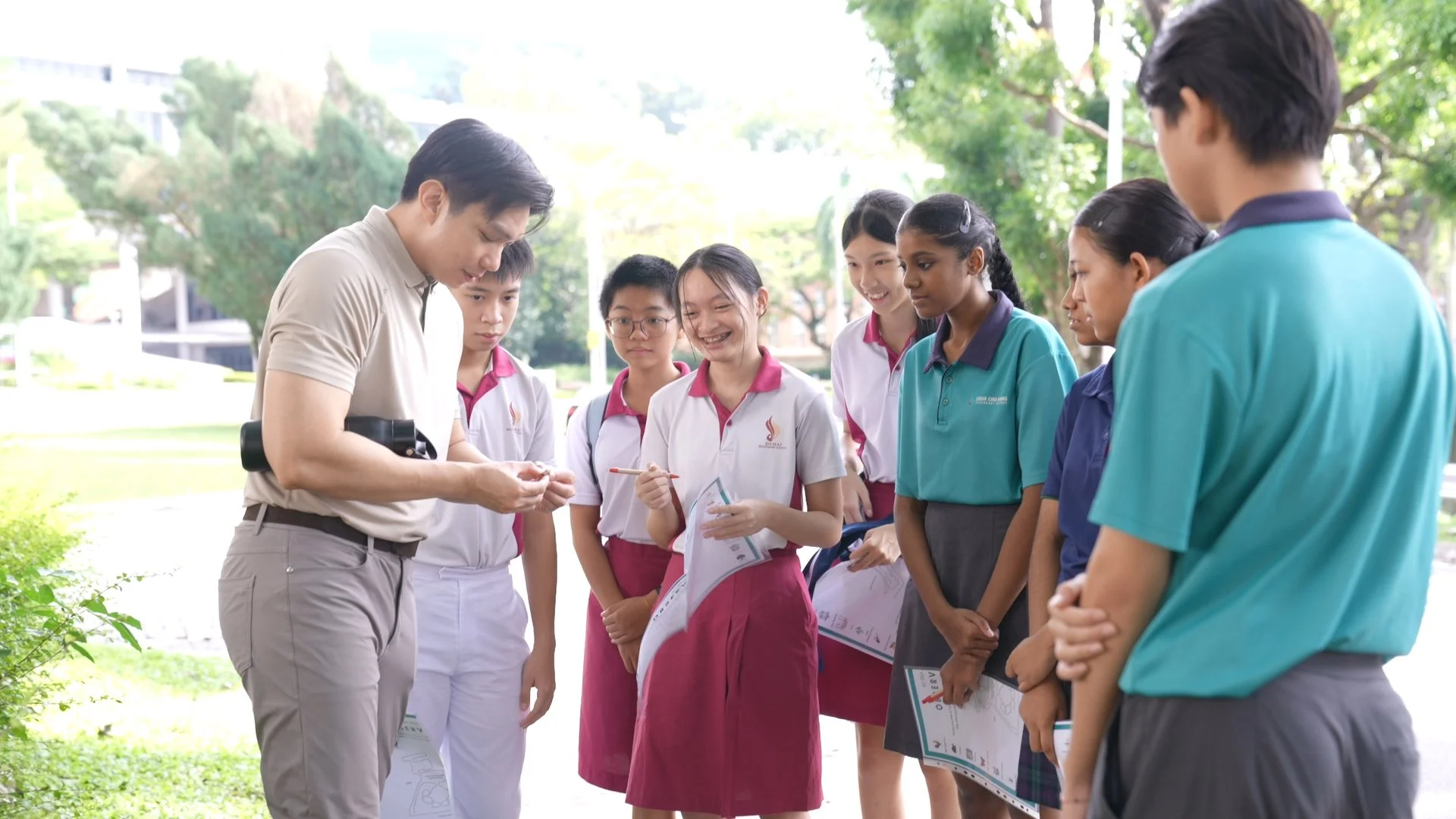
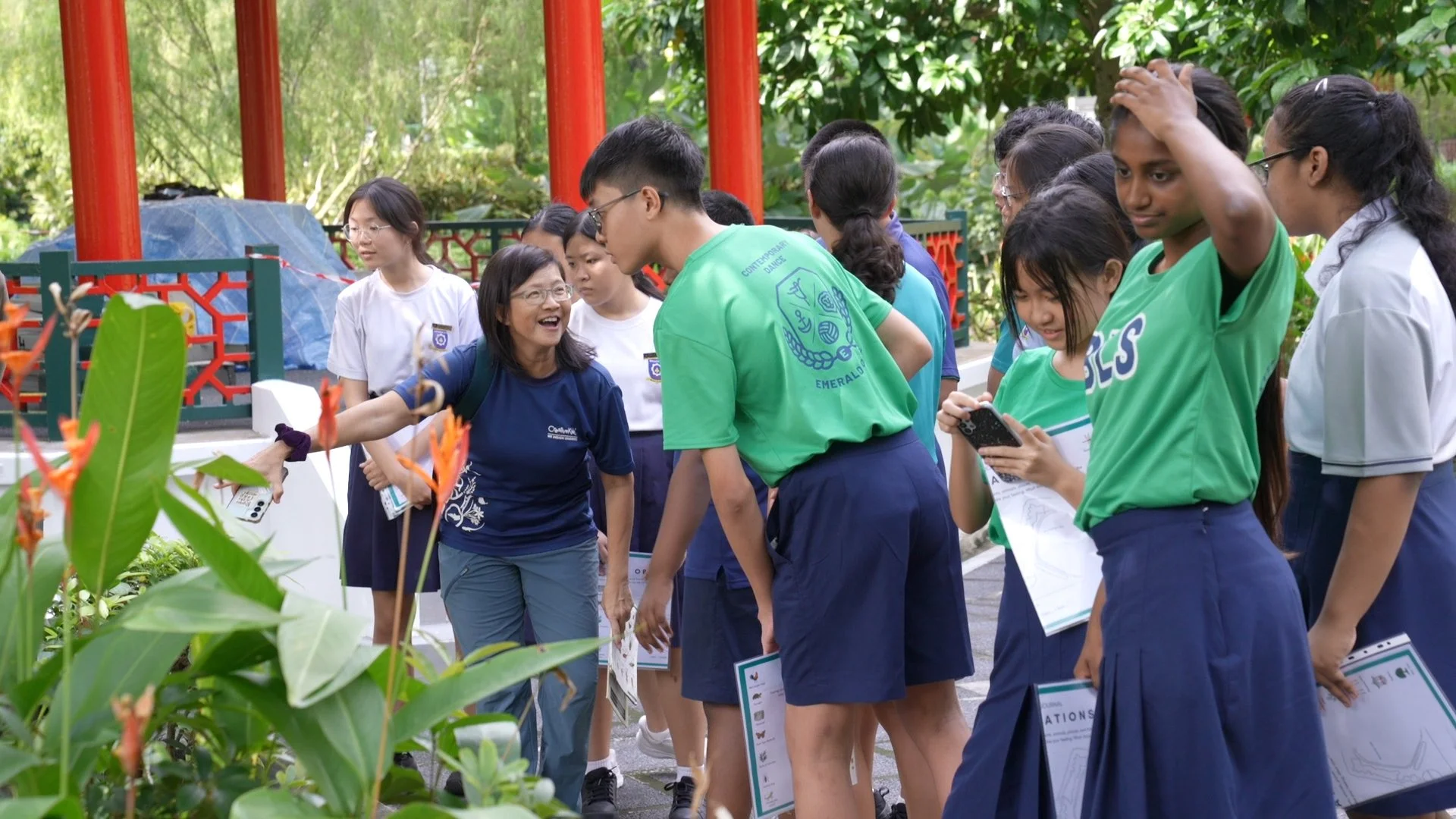
The experience began with a guided walk through Yunnan Garden, co-designed with nature educator Grace. Rather than focusing solely on identifying plants and animals, the walk invited participants to engage all their senses while encountering different perspectives on what nature is. Students first articulated their own ideas about nature before revisiting and refining these ideas after the field experience.
To support productive inquiry, generative AI was used to cluster students according to shared interests, enabling groups to form around authentic questions rather than predetermined topics. Within Knowledge Forum, KB GPT and epistemic role cards such as Stock Taker and Digger scaffolded discourse by encouraging students to synthesise community knowledge, identify gaps, and deepen lines of inquiry.
A distinctive feature of this iteration was the integration of expert consultation as part of the knowledge-building process. Returning on the second day, Grace met with every inquiry team—not to provide answers, but to challenge assumptions and extend students' thinking. Whether questioning the feasibility of artificial photosynthesis, introducing Biophilia Theory to broaden discussions of human–nature relationships, or encouraging students to reconsider the practicality of household carbon capture technologies, her role exemplified how expert knowledge can provoke productive idea improvement rather than simply transmit information. Across all groups, students revised, refined, or redirected their inquiries in response to these conversations.
The studio concluded with a poster-style showcase where teams presented their evolving ideas through interactive booths instead of traditional presentations. This format created opportunities for dialogue with visitors and repeated explanation of ideas, allowing students to further clarify and strengthen their thinking.
This iteration reinforced an important lesson: designing for knowledge building is not simply about creating opportunities for discussion. It is about intentionally orchestrating experiences, technologies, expert feedback, and community discourse so that ideas can be continually refined and advanced.